
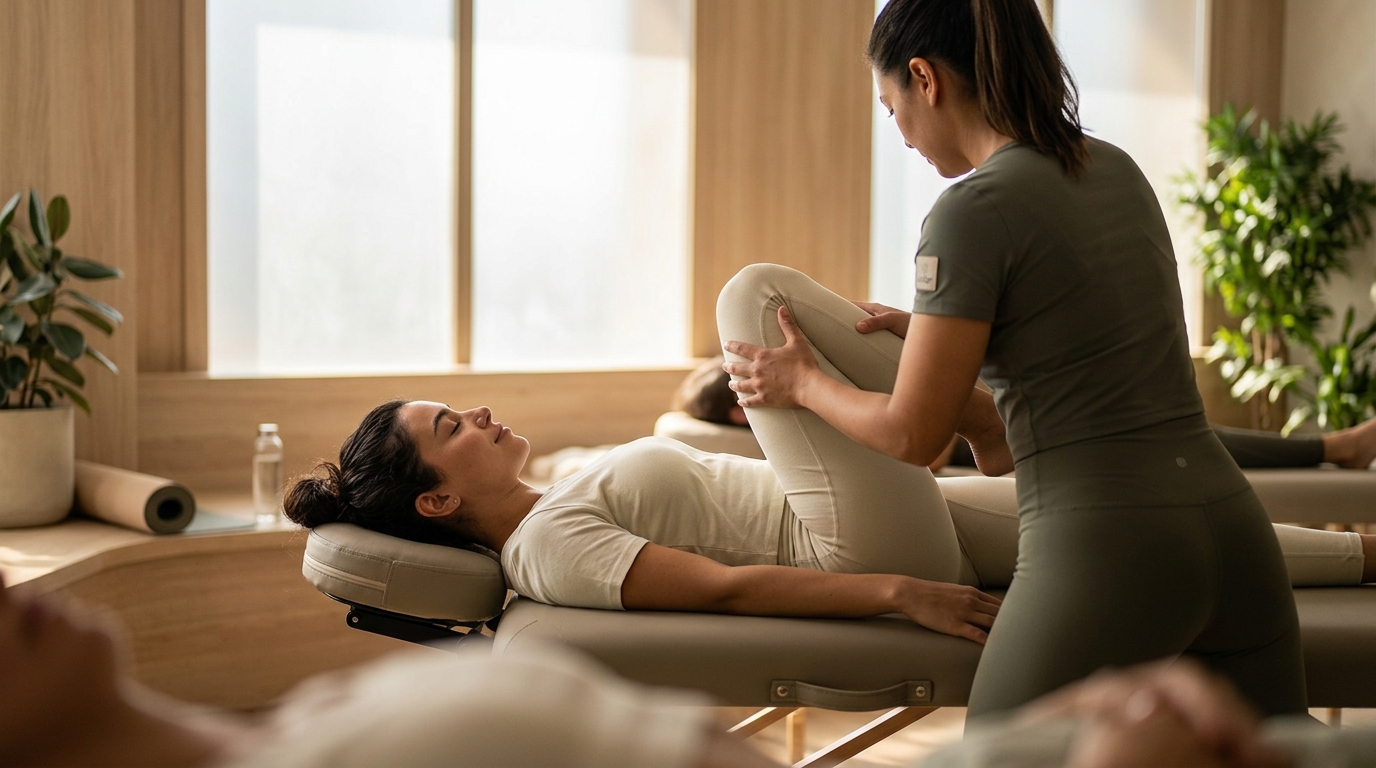
Assisted stretching improves flexibility and recovery by using external support to safely extend muscles beyond their current range of motion. This method accelerates tissue repair and reduces stiffness more effectively than isolated self-stretching. At LIMBR, our expert-led sessions target specific muscle groups to restore mobility and enhance your overall fitness performance. For additional details, review the Classes 8211 Limbr.
The Mechanics of External Support
Assisted stretching is a technique where a trained professional uses their body weight, hands, or specialized tools to guide a client through a stretch. Unlike self-stretching, which relies on the individual's own strength and balance, this method allows for a deeper, more controlled elongation of the muscle fibers. This external force helps overcome the body's natural protective reflexes, known as the stretch reflex, which typically limits how far a muscle can be lengthened.
By applying steady, low-load pressure, the therapist can hold a stretch for longer durations without causing fatigue in the person being stretched. This sustained tension promotes the lengthening of the sarcomeres, which are the basic contractile units of muscle. The result is a more significant and lasting increase in range of motion. For individuals with sedentary lifestyles or those returning from injury, this level of precision is often the missing link in their flexibility journey.
Accelerating Post-Workout Recovery
Recovery is the phase where your body adapts to the stress of training, and assisted stretching plays a critical role in this process. After intense exercise, muscles often accumulate metabolic waste products and experience micro-tears that lead to stiffness and soreness. Assisted stretching helps clear these by improving blood flow and lymphatic drainage to the affected areas. This enhanced circulation delivers oxygen and nutrients to the tissue while removing inflammatory markers.
At LIMBR, we integrate assisted stretching into recovery protocols to reduce the perception of pain and speed up the return to full function. Clients often report feeling lighter and more mobile within 24 to 48 hours of a session. This rapid reduction in stiffness allows for more consistent training schedules, which is essential for long-term progress. By addressing tightness immediately after a workout, you prevent the accumulation of chronic tension that can lead to injury.
Preventing Injury Through Balanced Mobility
Flexibility is not just about bending over to touch your toes; it is about maintaining balanced mobility across all joints. Imbalances in muscle length can alter your movement patterns, placing excessive stress on joints and ligaments. Assisted stretching helps identify and correct these imbalances by targeting specific, tight muscle groups that may be compensating for weaker ones. This corrective approach ensures that your body moves through its full range of motion safely and efficiently.
For athletes and active individuals, this preventive aspect is crucial. By maintaining optimal muscle length, you reduce the risk of strains and sprains during high-intensity activities. Our trainers at LIMBR assess your movement patterns to create a personalized stretching plan that addresses your unique needs. This proactive strategy helps you stay active and pain-free, allowing you to focus on performance rather than managing discomfort.
The Mind-Body Connection in Stretching
Physical flexibility is closely linked to mental relaxation, and assisted stretching leverages this connection to enhance overall wellbeing. The slow, deliberate movements and the presence of a supportive therapist help activate the parasympathetic nervous system, often referred to as the rest-and-digest mode. This shift in nervous system state reduces cortisol levels and promotes a sense of calm. As your body relaxes, your muscles become more pliable, allowing for deeper stretches.
This mental component is particularly beneficial for individuals dealing with stress or anxiety. By focusing on the breath and the sensation of the stretch, you can quiet the mind and reduce mental fatigue. At LIMBR, we view flexibility as a holistic practice that supports both physical and mental health. This dual benefit makes assisted stretching a valuable addition to any wellness routine, helping you feel more centered and resilient in daily life.
Integrating Assisted Stretching into Your Routine
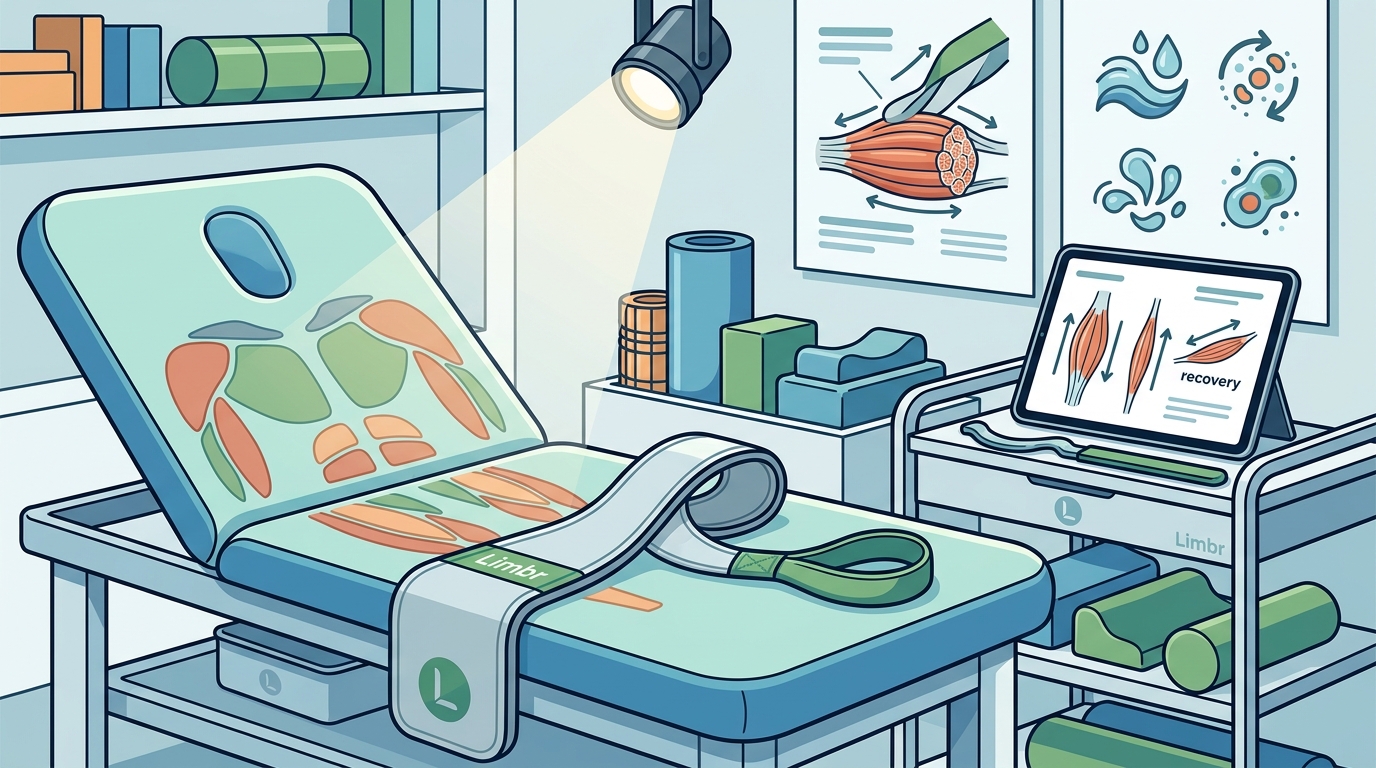
To maximize the benefits of assisted stretching, it is important to integrate it consistently into your fitness schedule. While daily self-stretching is beneficial, professional sessions provide a level of depth and correction that is difficult to achieve alone. We recommend scheduling assisted stretching sessions once or twice a week, depending on your activity level and recovery needs. Between sessions, focus on maintaining the mobility gains through gentle self-stretching and mindful movement.
Consistency is key to seeing long-term improvements in flexibility and recovery. By combining professional guidance with daily habits, you create a sustainable approach to mobility. At LIMBR, our classes and personal training programs are designed to complement your stretching sessions, ensuring that you build strength alongside flexibility. This balanced approach helps you move better, feel better, and achieve your fitness goals with confidence.
Key Takeaways
- Assisted stretching uses external support to safely extend muscles beyond their current range of motion.
- This technique accelerates recovery by improving blood flow and reducing muscle stiffness.
- Professional guidance helps correct muscle imbalances, reducing the risk of injury.
- The mind-body connection in assisted stretching promotes relaxation and reduces stress.
- Consistent integration of assisted stretching into your routine leads to lasting mobility improvements.
- At LIMBR, personalized sessions ensure that your stretching plan aligns with your specific fitness goals.
Frequently Asked Questions
How often should I do assisted stretching?
For most individuals, one to two sessions per week is ideal. This frequency allows for consistent mobility gains without overloading the tissues. Your trainer at LIMBR can recommend a schedule based on your activity level and recovery needs.
Is assisted stretching suitable for beginners?
Yes, assisted stretching is suitable for all fitness levels. Beginners often benefit the most from professional guidance, as it helps them learn proper alignment and safe stretching techniques.
Does assisted stretching hurt?
It should not cause pain. You may feel a deep stretch or mild discomfort, but sharp pain is a sign to stop. Our trainers at LIMBR ensure that all stretches are performed within a safe and comfortable range.
Can assisted stretching help with chronic pain?
While assisted stretching can help reduce stiffness and improve mobility, it is not a cure for chronic pain. If you have a medical condition, consult a physician before starting any new exercise program.
How is assisted stretching different from yoga?
Start Your Mobility Journey at LIMBR
Improving flexibility and recovery is a journey that requires the right tools and guidance. Assisted stretching offers a powerful way to unlock your body's potential and support your fitness goals. At LIMBR, we are committed to helping you move better and feel better through expert-led sessions and holistic wellness services. Whether you are an athlete, a desk worker, or someone simply looking to feel more comfortable in your body, our team is here to guide you every step of the way. Explore our services to find the perfect combination of stretching, recovery, and fitness for your needs.