
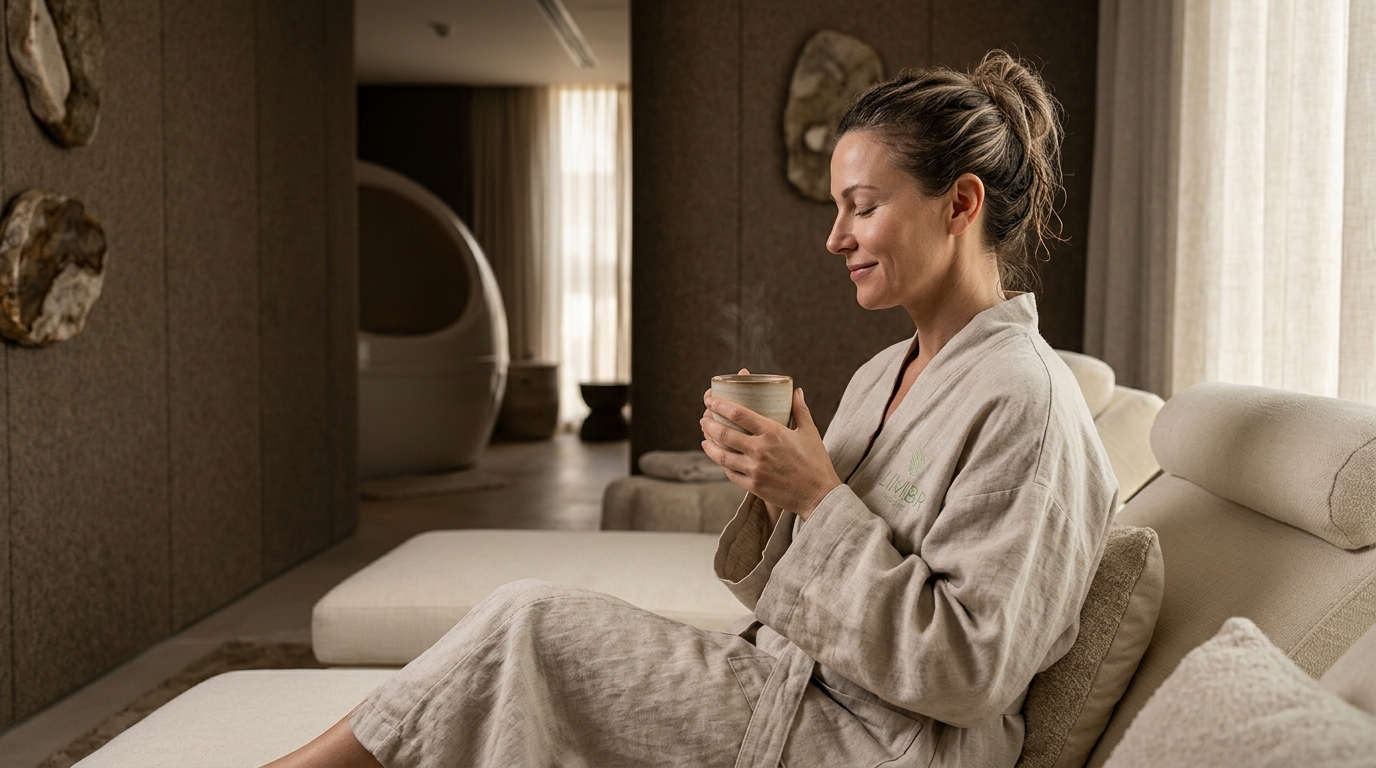
Float tank therapy in Bahrain is available at specialized wellness centers like LIMBR, which offers sensory deprivation tanks in Manama. This guide explains how to choose a safe facility, what to expect during a session, and how to verify credentials. It covers costs, common mistakes, and local specifics to help you find the right environment for deep relaxation and recovery.
How to Choose a Facility
Selecting the right location for float tank therapy requires looking beyond marketing claims. A quality facility prioritizes hygiene, water quality, and a calm environment. You should evaluate the physical space, the staff's expertise, and the specific type of tank offered.
Hygiene and Water Quality
The most critical factor is the water filtration system. High-quality centers use hospital-grade filtration to ensure the water is sterile. Ask about the filtration rate and how often the water is changed. Clean water prevents skin irritation and infections, which is essential for a safe experience.
Environment and Atmosphere
The atmosphere of the facility sets the tone for your session. Look for a quiet, private space that allows for complete sensory deprivation. The surrounding area should be free from noise and distractions. A professional environment signals that the business takes your relaxation seriously.
Staff Expertise
The staff should be trained in wellness and safety protocols. They need to understand the physiological effects of floating and be able to guide you through the process. At LIMBR, the team brings expertise in holistic wellness, ensuring that clients receive proper guidance and support.

Questions to Ask Before Booking
Before you commit to a session, ask specific questions to gauge the facility's standards. These questions help you understand what to expect and ensure the service meets your needs.
Water Filtration and Maintenance
Ask how the water is filtered and how often it is replaced. A reputable center will provide clear answers about their filtration technology. They should be transparent about their maintenance schedule and water testing procedures.
Session Duration and Inclusions
Inquire about the length of the session and what is included. Does the price cover a pre-float shower, post-float shower, and access to a relaxation area? Understanding the full package helps you compare options accurately.
Staff Qualifications
Ask about the qualifications of the staff members who will assist you. Do they have training in wellness, first aid, or specific therapeutic techniques? Their knowledge can make a significant difference in your comfort and safety.
Verifying Credentials and Safety
Verifying the credentials of a wellness center is a crucial step in ensuring your safety. Do not rely solely on online reviews. Take the time to check the facility's background and safety records.
Check for Certifications
Look for any certifications or memberships in professional wellness organizations. While there is no single global standard for float centers, reputable facilities often align with recognized wellness practices. You can verify these claims by checking their official website or asking for documentation.
Review Online Feedback
Read reviews from previous clients to get a sense of their experience. Look for consistent themes in the feedback, such as cleanliness, staff friendliness, and overall satisfaction. Be wary of facilities with few reviews or a history of negative comments about hygiene.
Visit the Facility
If possible, visit the facility before your first session. Observe the cleanliness of the tanks and the general atmosphere. A professional center will welcome your questions and provide a tour if requested. This in-person check can give you confidence in your choice.
The Float Session Process
Understanding the step-by-step process of a float session helps reduce anxiety and prepares you for the experience. The process is designed to guide you from a state of activity to one of deep rest.
Pre-Float Preparation
The session begins with a consultation where the staff explains the process and answers your questions. You will then take a shower to remove any lotions, oils, or dirt from your skin. This step is essential for maintaining the water quality and your hygiene.
The Float Experience
You will enter a tank filled with warm water and a high concentration of Epsom salts. The water is typically at body temperature, which eliminates the sensation of up and down. The tank is enclosed and dark, creating a state of sensory deprivation. You will float effortlessly, allowing your muscles to relax completely.
Post-Float Recovery
After the float, you will take another shower to rinse off the salts. Many facilities provide a relaxation area where you can rest and rehydrate. This post-float period is important for integrating the benefits of the session and returning to your daily activities.
Understanding the Cost
The cost of float tank therapy in Bahrain varies based on several factors. Understanding these drivers helps you make an informed decision and avoid unexpected charges.
Session Length
Facility Amenities
The price may include access to additional amenities such as a relaxation lounge, infrared sauna, or cold plunge. At LIMBR, services are designed to support holistic wellbeing, and pricing reflects the comprehensive nature of the experience.
Location and Demand
Facilities in prime locations or those with high demand may charge premium prices. However, the cost should always reflect the quality of the service and the level of care provided.
Common Mistakes to Avoid
Even with the best intentions, some clients make mistakes that can detract from their experience. Avoiding these common errors ensures you get the most out of your float session.
Skipping the Pre-Float Shower
Failing to shower before the float can introduce contaminants into the water. This is a violation of most facility rules and can lead to skin irritation. Always follow the pre-float preparation instructions carefully.
Expecting Immediate Results
While many people feel relaxed after a single session, the full benefits of float therapy often build over time. Do not expect a single session to solve all your stress or pain issues. Consistency is key to achieving long-term results.
Ignoring Safety Guidelines
Ignoring safety guidelines, such as not floating if you have an open wound or infection, can lead to health risks. Always disclose any medical conditions to the staff before your session. They can advise you on whether floating is suitable for you.
Float Tanks vs. Alternatives
Float tank therapy is one of several recovery and relaxation options available. Comparing it to alternatives helps you determine if it is the right fit for your goals.
| Method | Primary Benefit | Cost | Time Commitment |
|---|---|---|---|
| Float Tank | Deep relaxation, sensory deprivation | Medium to High | 60-90 minutes |
| Infrared Sauna | Detoxification, circulation | Medium | 30-45 minutes |
| Cold Plunge | Recovery, alertness | Low to Medium | 1-5 minutes |
| Massage Therapy | Muscle tension relief | Medium to High | 60-90 minutes |
Each method offers unique benefits. Float therapy is ideal for those seeking mental clarity and deep rest, while saunas and cold plunges focus on physical recovery. You can combine these methods for a comprehensive wellness routine.
Therapy for Specific Needs
Float tank therapy can be tailored to address specific health and wellness goals. Understanding how it applies to your situation helps you set realistic expectations.
Stress and Anxiety
For individuals dealing with high stress, float therapy provides a break from sensory input. The quiet, dark environment allows the mind to quiet down, reducing cortisol levels and promoting a state of calm.
Physical Recovery
Athletes and active individuals often use float tanks to aid in muscle recovery. The buoyancy of the water relieves pressure on joints and muscles, allowing for faster healing and reduced soreness.
Sleep Issues
People struggling with insomnia may find that floating helps regulate their sleep-wake cycle. The deep relaxation experienced during a session can improve sleep quality and duration.
Safety Rules and Protections
Reputable facilities have strict safety rules in place to protect clients. Understanding these rules ensures a safe and enjoyable experience.
Health Disclosures
Clients are required to disclose any medical conditions, such as epilepsy, pregnancy, or skin infections, before floating. The staff will assess whether the session is safe for you. This disclosure protects both you and the facility.
Hygiene Protocols
Facilities enforce strict hygiene protocols, including pre- and post-float showers. These rules maintain the water quality and prevent the spread of infections. Clients must adhere to these protocols to ensure a safe environment for everyone.
Emergency Procedures
Staff should be trained in emergency procedures and have access to first aid equipment. They should be able to assist you if you experience any discomfort or distress during the session. Knowing that help is available can provide peace of mind.
Local Specifics in Bahrain
Choosing a float therapy provider in Bahrain involves considering local factors. The climate, culture, and availability of services can influence your decision.
Climate Considerations
Bahrain's hot climate makes indoor, climate-controlled facilities highly desirable. A well-maintained facility ensures a comfortable environment year-round. Look for centers that prioritize air quality and temperature control.
Cultural Context
Understanding the cultural context of wellness in Bahrain is important. Facilities that respect local norms and provide a respectful, private environment are often preferred. At LIMBR, the focus on holistic wellness aligns with the growing interest in health and balance in the region.
Availability
Float therapy is still a niche service in Bahrain, so availability may vary. Booking in advance is recommended, especially during peak times. Check the facility's schedule and booking policies to ensure you can secure a slot that fits your routine.
Optimal Timing for Sessions
The timing of your float session can impact its effectiveness. Choosing the right time of day helps you maximize the benefits and integrate them into your daily life.
Morning vs. Evening
Morning floats can provide a calm start to the day, reducing stress and improving focus. Evening floats can help wind down before bed, promoting better sleep. Choose the time that best fits your schedule and goals.
Frequency
For optimal results, many people float once or twice a week. However, the ideal frequency depends on your individual needs and goals. Start with one session per week and adjust based on how you feel.
Long-Term Results
The benefits of float tank therapy accumulate over time. Consistent use leads to measurable improvements in physical and mental health.
Short-Term Benefits
After a single session, you may experience reduced stress, improved mood, and better sleep. These immediate effects can help you feel more balanced and centered.
Long-Term Benefits
With regular use, you may see sustained improvements in pain management, anxiety levels, and overall wellbeing. The practice of floating becomes a tool for maintaining health and preventing burnout. Over time, you develop a deeper connection with your body and mind.
Key Takeaways
- Choose a facility with high hygiene standards and a calm environment.
- Ask specific questions about water filtration and staff qualifications.
- Verify credentials and read reviews to ensure safety and quality.
- Understand the step-by-step process of a float session.
- Be aware of the cost drivers, including session length and amenities.
- Avoid common mistakes like skipping the pre-float shower.
- Compare float therapy with other recovery options to find the best fit.
- Follow safety rules and disclose any medical conditions.
Frequently Asked Questions
Is float tank therapy safe?
Yes, float tank therapy is generally safe for most people. However, you should disclose any medical conditions to the staff before your session. They can advise you on whether floating is suitable for you.
How long does a float session last?
Most float sessions last between 60 and 90 minutes. The exact duration depends on the facility and the package you choose.
What should I wear to a float session?
You do not need to wear anything. You will be naked in the tank, but the water is opaque, so you cannot see through it. You will shower before and after the session.
Can I float if I have a skin condition?
If you have an open wound or active skin infection, you should not float. This can introduce contaminants into the water. Consult with the facility staff to determine if it is safe for you.
How often should I float?
For optimal results, many people float once or twice a week. However, the ideal frequency depends on your individual needs and goals.
What is the difference between a float tank and a spa?
A float tank is designed for sensory deprivation, with a dark, quiet environment and high-salt water. A spa typically offers a variety of treatments, such as massages and facials, in a more social setting.
Conclusion
Float tank therapy in Bahrain offers a powerful tool for relaxation and recovery. By choosing a reputable facility like LIMBR, you can ensure a safe and high-quality experience. Take the time to research, ask questions, and follow safety guidelines to get the most out of your sessions. Explore the full range of services at LIMBR to find the perfect combination for your wellness goals.